



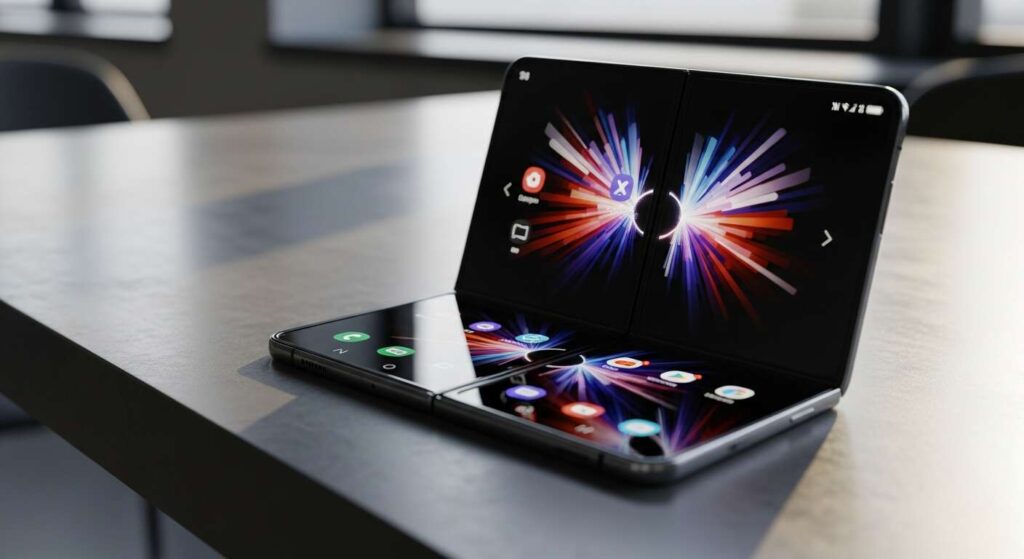
Samsung’s latest foray into foldable technology has captured the imagination of tech enthusiasts worldwide. The Galaxy Z TriFold represents a bold step forward in mobile engineering, combining cutting-edge innovation with practical functionality. Yet despite its remarkable achievements, this device remains tantalizingly out of reach for most consumers, raising questions about the true purpose of such technological marvels.
The triumph of innovation at Samsung
A journey from concept to reality
Samsung’s path to the Galaxy Z TriFold began with the original Galaxy Z Fold in 2019, a device that introduced consumers to the possibilities of foldable screens despite its bulky design and limited external display. Over subsequent iterations, the manufacturer refined its approach, addressing durability concerns and improving user experience. The Z TriFold represents the culmination of this evolutionary process, showcasing seven years of research and development in foldable technology.
The device’s tri-fold mechanism allows a 10-inch display to collapse into a pocket-sized form factor, measuring just 6.5 inches when folded. This achievement required breakthroughs in hinge engineering, screen materials, and structural design that push the boundaries of what seemed possible in mobile devices.
Recognition from industry experts
The Galaxy Z TriFold’s unveiling at CES 2026 earned it the prestigious title of best mobile device at the event. This recognition underscores several key innovations:
- A 200 MP camera system that rivals dedicated photography equipment
- The largest battery ever integrated into a foldable smartphone
- 45W fast charging capability for reduced downtime
- A titanium chassis that balances durability with portability
These specifications demonstrate Samsung’s commitment to creating a device that doesn’t compromise on functionality despite its revolutionary form factor. The achievement of fitting such powerful components into a 309-gram package measuring only 12.9 mm when folded represents a significant engineering accomplishment.
Having established its credentials as a technological tour de force, the Z TriFold’s design philosophy reveals deeper considerations about how foldable devices should function in everyday life.
Engineering at the service of practicality
Design choices with purpose
Unlike competing devices that fold in a “Z” configuration, Samsung opted for an inward-folding mechanism. This decision prioritises screen protection, ensuring the delicate foldable display remains shielded when the device is closed. The approach reflects lessons learned from earlier models where exposed screens proved vulnerable to damage.
The 10-inch unfolded display transforms the device into a productivity powerhouse, offering tablet-like functionality without requiring users to carry multiple devices. When folded to 6.5 inches, it maintains the convenience of a traditional smartphone, fitting comfortably in pockets and bags.
Balancing innovation with usability
| Feature | Specification | Practical benefit |
|---|---|---|
| Unfolded display | 10 inches | Enhanced multitasking and content consumption |
| Folded size | 6.5 inches | Pocket-friendly portability |
| Weight | 309 grams | Lighter than most tablets |
| Thickness | 12.9 mm folded | Comparable to stacked conventional phones |
These specifications reveal a device designed for users who demand maximum functionality without sacrificing convenience. The titanium construction ensures the complex hinge mechanism can withstand repeated folding cycles, addressing one of the primary concerns with earlier foldable devices.
Despite these thoughtful engineering decisions, the Galaxy Z TriFold has not escaped criticism from various quarters of the technology community.
A technological gem criticised
Concerns about real-world durability
Critics have raised questions about the long-term reliability of tri-fold mechanisms, which introduce additional points of potential failure compared to single-fold designs. The complexity of maintaining alignment across three screen segments whilst ensuring smooth operation presents challenges that only extensive real-world testing can fully address.
Additional concerns include:
- The visibility of crease lines where the screen folds
- Potential degradation of the flexible display over time
- The learning curve associated with managing three folding segments
- Questions about repairability given the device’s complexity
Software optimisation challenges
The unique form factor demands sophisticated software to manage transitions between different folding states. Applications must adapt seamlessly as the device moves from smartphone to tablet mode, a requirement that places significant demands on developers and may limit the availability of optimised applications at launch.
These criticisms, whilst valid, must be weighed against the inherent challenges of pioneering new technology categories.
The limits of a groundbreaking technology
Market readiness and consumer adoption
The Galaxy Z TriFold exists at the intersection of technological possibility and market reality. Whilst the device showcases remarkable engineering achievements, questions remain about whether consumers are prepared to embrace such radical departures from conventional smartphone designs.
Several factors constrain broader adoption:
- Limited app ecosystem optimised for tri-fold displays
- Consumer unfamiliarity with managing complex folding mechanisms
- Concerns about durability compared to traditional smartphones
- The learning curve associated with new interaction paradigms
Infrastructure and support considerations
Owning a device as sophisticated as the Z TriFold requires access to specialised repair services and replacement parts. The limited availability of technicians trained to service tri-fold mechanisms may prove problematic for users outside major metropolitan areas, potentially limiting the device’s practical appeal despite its technical merits.
Beyond these practical limitations, the most significant barrier to ownership remains the device’s positioning in the premium segment of the market.
A price that makes you think
The cost of innovation
Whilst specific pricing has not been officially announced, industry analysts expect the Galaxy Z TriFold to command a substantial premium over conventional flagship smartphones. The complexity of its construction, combined with the cutting-edge components and limited production volumes, inevitably translate into elevated costs.
This pricing strategy reflects several realities:
- Research and development costs must be recouped from early adopters
- Manufacturing yields for complex foldable displays remain lower than traditional screens
- Premium materials like titanium increase production costs
- Limited competition in the tri-fold segment allows for premium positioning
Value proposition for consumers
The question facing potential buyers centres on whether the Z TriFold’s capabilities justify its expected price tag. For professionals requiring maximum productivity in a portable form factor, the device may represent a worthwhile investment. However, for typical consumers, the cost-benefit analysis becomes more challenging when conventional smartphones and tablets can fulfil similar functions at a fraction of the price.
Looking beyond current limitations, Samsung’s vision for foldable technology extends well into the future.
The future of foldable smartphones according to Samsung
Maturation of the category
The Galaxy Z TriFold signals Samsung’s belief that foldable devices represent the future of mobile computing rather than a niche category. As manufacturing processes improve and economies of scale develop, the company anticipates broader market adoption and more accessible pricing.
Future developments may include:
- Improved screen materials that eliminate visible creases
- Enhanced durability through advanced hinge mechanisms
- Reduced thickness and weight through miniaturisation
- Expanded software ecosystems optimised for foldable displays
Redefining consumer expectations
By pushing the boundaries of what smartphones can achieve, Samsung aims to reshape consumer expectations about mobile devices. The Z TriFold challenges the notion that phones must conform to rigid form factors, suggesting instead that devices should adapt to users’ needs rather than constraining how people interact with technology.
Samsung’s roadmap envisions a future where foldable technology becomes mainstream, offering consumers genuine choice in how they balance portability with functionality. Whether this vision materialises depends on continued innovation, improved affordability, and the development of compelling use cases that justify the complexity of foldable designs.
The Galaxy Z TriFold represents a remarkable achievement in mobile engineering, showcasing Samsung’s technical prowess and vision for the future of smartphones. Its tri-fold design, powerful specifications, and innovative construction demonstrate what becomes possible when manufacturers push beyond conventional boundaries. However, questions about durability, software optimisation, and especially pricing create significant barriers to widespread adoption. Whilst the device has earned recognition as an engineering masterpiece, its position as an aspirational product rather than a practical purchase for most consumers highlights the ongoing challenge of translating technological innovation into accessible products. As foldable technology matures and costs decrease, devices like the Z TriFold may eventually become attainable, but for now, they remain impressive demonstrations of what’s possible rather than practical options for everyday users.