
Lighting solutions have long been dominated by expensive smart systems and premium brands that promise connectivity and customisation at a steep price. IKEA’s latest offering challenges this status quo with a product that prioritises affordability and practicality without sacrificing quality. The Swedish furniture giant has unveiled the KABBLEKALED LED light strip, a versatile lighting solution that redefines what consumers should expect from budget-friendly home illumination. This strip combines ease of installation, flexible design, and competitive pricing to create a compelling alternative to established market leaders.
Introduction to IKEA’s new LED light strip
Launch details and product variants
The KABBLEKALED LED light strip launched on 24 January 2026, marking IKEA’s continued commitment to accessible home improvement solutions. The product arrives in two distinct versions designed to cater to different user preferences and requirements. The dimmable version retails at £7, offering straightforward brightness control for those seeking simple ambient lighting. Meanwhile, the colour adjustable version is priced at £13, providing users with the ability to customise their lighting atmosphere according to mood or occasion.
Physical specifications and design
Measuring three metres in length, the KABBLEKALED offers substantial coverage for various installation scenarios. The strip’s flexible construction allows it to bend around corners and conform to irregular surfaces, making it suitable for diverse applications throughout the home. Users can cut the strip to precise lengths, ensuring a perfect fit for spaces ranging from compact shelving units to expansive entertainment centres. The adhesive backing provides secure attachment whilst remaining repositionable, accommodating changes in room layout or design preferences over time.
This combination of affordability and practical design establishes the foundation for understanding why IKEA’s approach differs fundamentally from competitors in the LED lighting market.
Why this light strip stands out
Revolutionary power delivery system
The most distinctive feature of the KABBLEKALED lies in its USB power supply. This design choice eliminates the need for dedicated wall outlets, a requirement that often limits installation options with competing products. The implications of this innovation include:
- Direct connection to television USB ports for bias lighting behind screens
- Laptop-powered operation for temporary or mobile lighting setups
- Power bank compatibility for outdoor events or areas without mains electricity
- Integration with existing USB charging hubs and adapters
Installation versatility
The robust adhesive system represents another significant advantage. Unlike light strips that require clips, channels, or permanent mounting solutions, the KABBLEKALED attaches directly to clean surfaces with minimal preparation. This feature proves particularly valuable for renters who cannot modify their living spaces or students in temporary accommodation. The strip adheres firmly enough to remain secure during normal use whilst allowing removal without damaging paint or finishes.
Accessibility for diverse users
The simplicity of the KABBLEKALED’s operation removes technical barriers that often discourage consumers from experimenting with decorative lighting. No smartphone apps, hub installations, or network configurations are required for basic functionality. Users simply plug the strip into a USB port and begin enjoying enhanced illumination immediately. This straightforward approach appeals to those who find smart home ecosystems overwhelming or unnecessary for their needs.
These practical advantages translate directly into financial benefits that extend beyond the initial purchase price.
The economic benefits of LED innovation
Upfront cost comparison
The pricing structure of the KABBLEKALED positions it as a remarkably accessible entry point into decorative lighting. A comprehensive market analysis reveals the following price differentials:
| Product | Price | Price Multiple vs IKEA |
|---|---|---|
| IKEA KABBLEKALED (dimmable) | £7 | 1x |
| IKEA KABBLEKALED (colour adjustable) | £13 | 1.86x |
| Nanoleaf LED strip | £45 | 6.43x |
| Philips Hue light strip | £70 | 10x |
These figures demonstrate that even the colour adjustable KABBLEKALED costs less than one-third of the Nanoleaf equivalent and represents just 18.6% of the Philips Hue price. For consumers furnishing multiple rooms or seeking to create comprehensive lighting schemes, these savings accumulate substantially.
Long-term operational savings
LED technology inherently delivers superior energy efficiency compared to traditional incandescent or halogen alternatives. The KABBLEKALED’s USB power requirement typically draws minimal current, resulting in negligible impact on electricity bills. When powered by devices that would remain active regardless—such as televisions or gaming consoles—the incremental energy cost approaches zero. This operational efficiency complements the low purchase price to create exceptional lifetime value.
Beyond mere economics, the KABBLEKALED offers functional capabilities that enhance its appeal to discerning consumers.
Design and features: more than just a light
Aesthetic integration
The slim profile of the KABBLEKALED ensures it remains visually unobtrusive when installed. The strip disappears behind furniture edges, beneath cabinets, or along architectural features, creating the illusion of integrated lighting rather than an obvious aftermarket addition. This discrete presence allows the light itself to become the focal point rather than the fixture producing it.
Application scenarios
The versatility of the KABBLEKALED enables numerous creative implementations throughout residential spaces:
- Under-cabinet lighting in kitchens for improved task visibility
- Bookshelf accent lighting to highlight collections and create depth
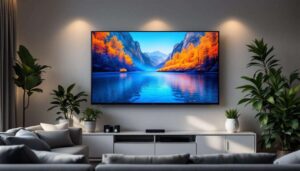
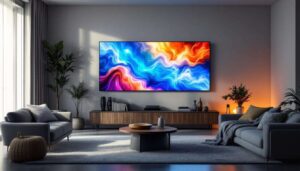
- Television bias lighting to reduce eye strain during viewing
- Wardrobe interior illumination for better clothing selection
- Stairway edge lighting for safety and ambiance
- Desk backlighting for streamers and content creators
Customisation potential
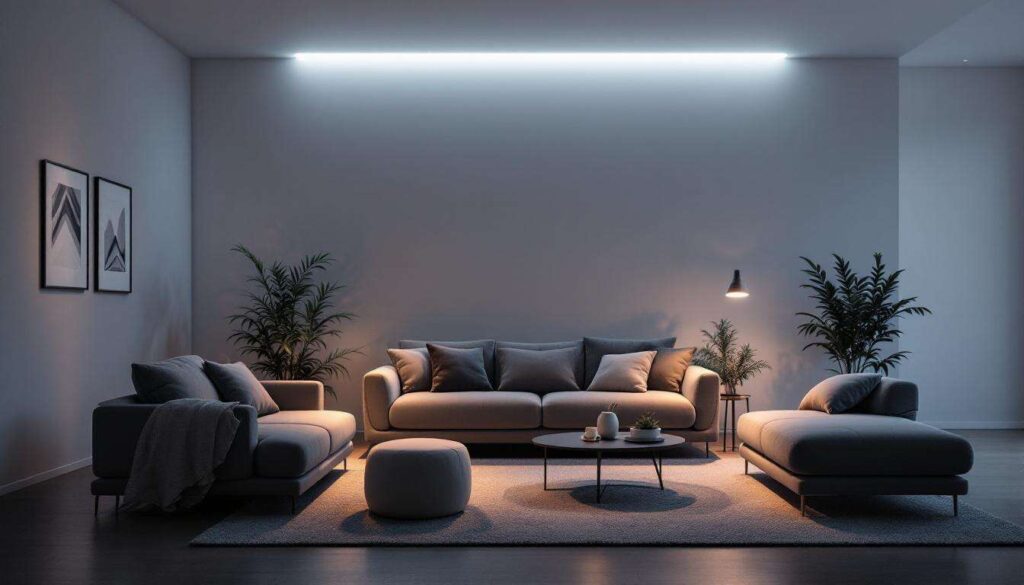
The colour adjustable version provides users with control over lighting temperature and hue, enabling atmosphere creation suited to different activities. Warm tones promote relaxation in bedrooms and living areas, whilst cooler temperatures enhance concentration in study spaces. The ability to cut the strip to exact lengths ensures no wasted material and perfect proportions for any installation location.
Understanding how the KABBLEKALED performs relative to established alternatives provides essential context for purchasing decisions.
Comparison with other LED strips on the market
Premium brand offerings
Philips Hue represents the premium segment of the LED strip market, offering extensive smart home integration, voice control compatibility, and sophisticated lighting effects. However, this functionality comes at a £70 price point and requires additional investment in a dedicated hub for full feature access. The system appeals to technology enthusiasts building comprehensive smart home ecosystems but presents barriers for casual users seeking simple lighting enhancement.
Nanoleaf occupies a middle ground with its £45 offering, providing app-based control and creative lighting patterns without requiring separate hub hardware. The brand emphasises design-forward aesthetics and social media appeal, targeting consumers who view lighting as an expression of personal style.
Value proposition analysis
The KABBLEKALED sacrifices advanced connectivity features in favour of universal compatibility and affordability. Whilst it lacks Matter support and smartphone control, it gains freedom from ecosystem lock-in and network dependency. The strip functions reliably regardless of Wi-Fi availability, software updates, or manufacturer support continuity—concerns that plague connected devices over extended ownership periods.
Performance parity in core functions
Despite the significant price differential, the KABBLEKALED delivers comparable illumination quality to premium alternatives. LED brightness, colour rendering, and longevity remain consistent across price points, as these characteristics depend primarily on component quality rather than smart features. For users whose primary objective involves adding light rather than integrating technology, the IKEA option provides equivalent practical results at a fraction of the cost.
The affordability of the KABBLEKALED also carries implications beyond individual consumer savings.
The environmental impact of IKEA’s LED products
Accessibility driving adoption
By reducing the financial barrier to LED lighting, IKEA accelerates the transition away from less efficient technologies. Consumers who might postpone lighting upgrades due to cost constraints find the KABBLEKALED within reach, leading to broader adoption of energy-efficient solutions. This democratisation of LED technology multiplies environmental benefits across larger populations than premium products could achieve.
Longevity and waste reduction
LED strips typically offer operational lifespans exceeding 25,000 hours, dramatically reducing replacement frequency compared to traditional bulbs. The KABBLEKALED’s simple construction and lack of complex electronics further enhance durability by eliminating potential failure points associated with wireless modules and control circuitry. Fewer replacements translate directly into reduced manufacturing demand and waste generation.
Corporate sustainability commitments
IKEA’s recent update of the VARMBLIXT lamp to support Matter demonstrates ongoing commitment to product evolution and standards adoption. Whilst the KABBLEKALED currently lacks advanced connectivity, the company’s track record suggests potential future enhancements that could extend product relevance and lifespan. This approach contrasts with planned obsolescence strategies employed by some manufacturers, where products become functionally outdated within short timeframes.
The KABBLEKALED represents a calculated approach to lighting design that prioritises practical functionality and economic accessibility over technological complexity. By focusing on core performance attributes and eliminating unnecessary features, IKEA has created a product that serves the fundamental needs of diverse users whilst maintaining price points that encourage widespread adoption. The strip’s USB power delivery, flexible installation options, and competitive pricing establish it as a compelling choice for renters, students, and homeowners seeking to enhance their living spaces without substantial investment. Though it forgoes smart home integration, the KABBLEKALED delivers reliable illumination that functions independently of network infrastructure and manufacturer support, ensuring long-term utility. For consumers evaluating LED lighting options, this offering demonstrates that sophisticated results need not require premium expenditure.